Reference: Actual lemon juice/fruit & vegetable juice turnkey line projects by domestic manufacturers (e.g., Wisol, Newamstar). Capacity: 3,000–12,000 bottles/hour PET bottled fruit & vegetable juice; scalable down to small/mid-size lines (500–3,000 bottles/hour) for Southeast Asian small/mid-size factories. Compliant with HACCP and CE, adapted for tropical fruits (mango, pineapple, coconut water) — mainstream Southeast Asian raw materials.
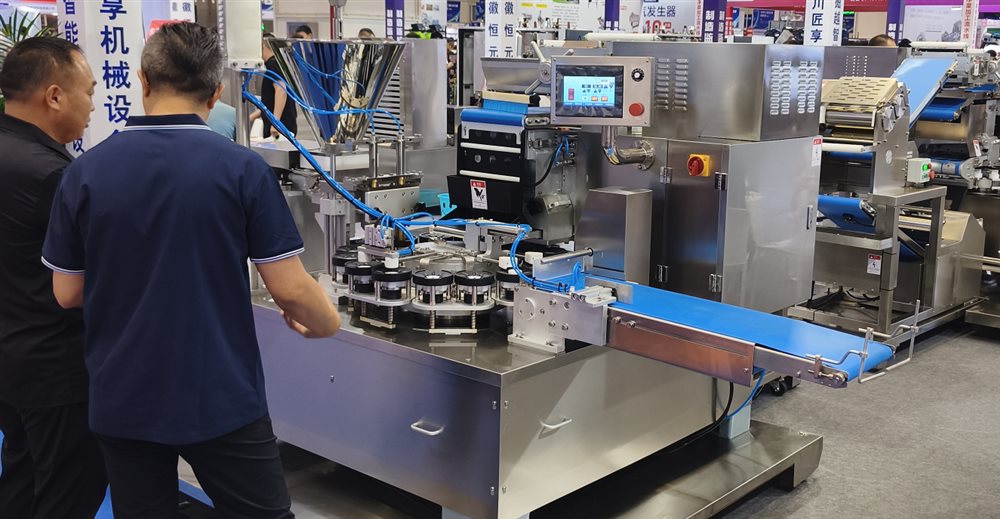
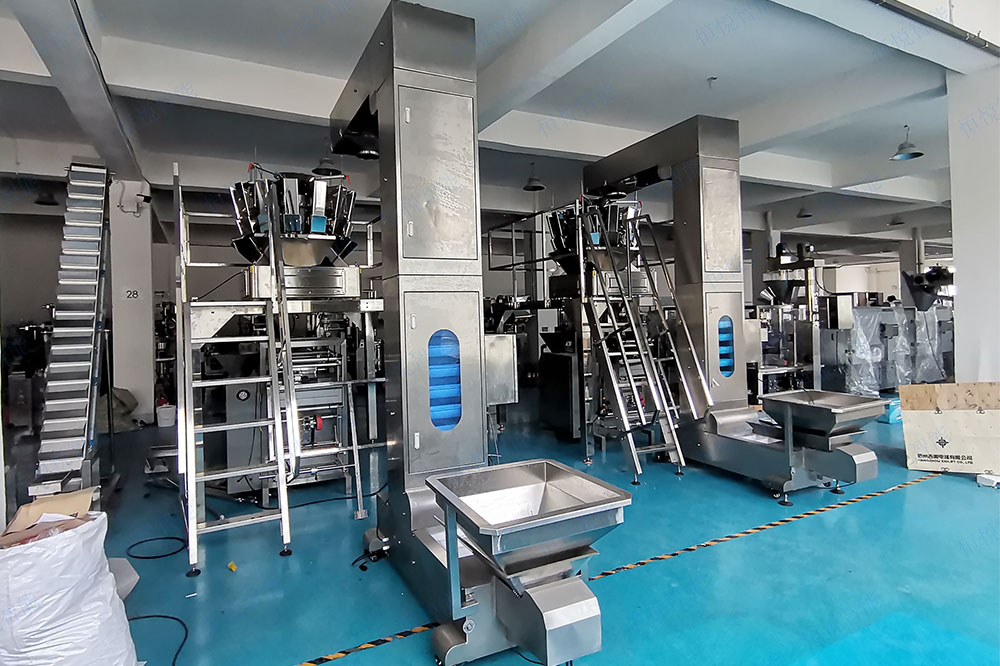
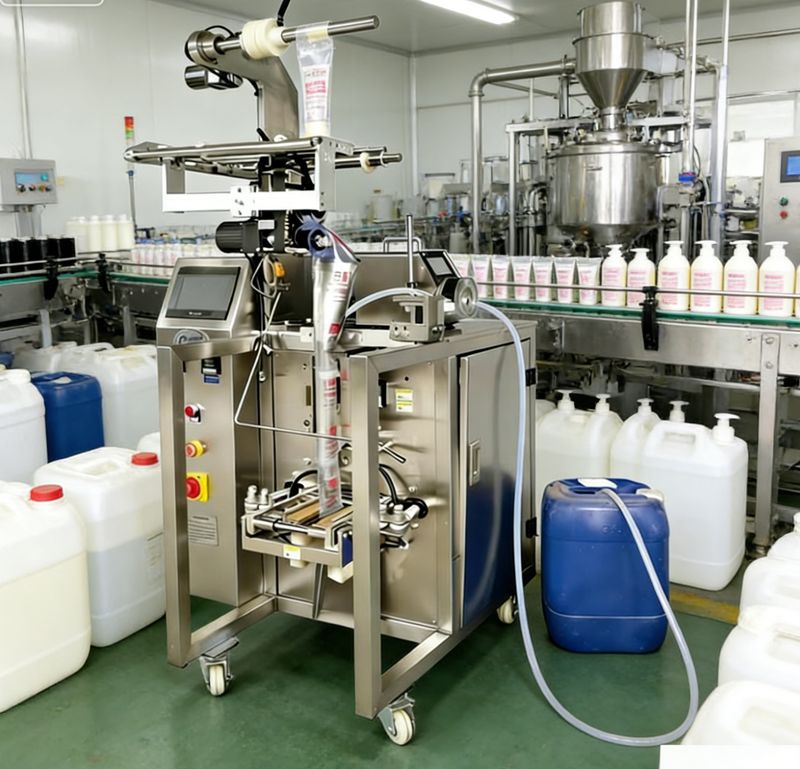
Juice/Beverage Category — Referenced from Real Domestic Turnkey Projects, Export-Ready for Southeast Asia
I. Project Objectives
- Raw material: fresh tropical fruit — complete in-plant processing from fruit intake → pre-treatment → formulation/blending → sterilization → filling → finished product.
- Output: PET bottled juice/beverage with 6–12 month shelf life.
- Reduced labor; full-line CIP (Clean-In-Place) washing; food-grade hygiene compliance.
- Multi-SKU switch capability: juice, fruit tea, plant-based beverages, coconut water.
II. Complete Process Flow
Raw material inspection → Sorting & washing → Crushing & pressing → Coarse & fine filtration → Sugar dissolving & formulation → Deaeration → Homogenization → UHT ultra-high-temperature instantaneous sterilization → Aseptic buffer tank → Aseptic filling → Lamp inspection → Sleeve labeling → Inkjet coding → Shrink film bundling → Palletizing & warehousing.
III. Full Line Equipment List (from Pre-Treatment to Finished Product)
表格
| Section | Equipment | Function |
|---|---|---|
| Raw material pre-treatment | Bucket elevator, sorting table, brush washer, crusher, spiral press | Washing, crushing and juicing of fresh fruit; adapted for mango, pineapple, coconut, etc. |
| Filtration system | Coarse filter, fine filter | Removes pulp/fiber, protects downstream equipment |
| Formulation/blending | Sugar dissolving tank, blending/mixing tank, dosing transfer pumps | Mixing of sugar and additives; 304 stainless steel tanks |
| Sterilization, homogenization & deaeration | Deaerator, high-pressure homogenizer, UHT sterilizer | Deoxygenation, pulp refinement/homogenization, flash sterilization preserving flavor |
| Cleaning system | CIP (Clean-In-Place) unit | Automatic acid/alkali cleaning of tanks and pipelines without disassembly — essential for food lines |
| Core filling | Aseptic filling machine, bottle unscrambler, (optional) blow molding machine, capping machine | Aseptic cold-fill of PET bottles; preservative-free long shelf life |
| Post-filling inspection | Lamp inspector, inkjet coder | Detects leaks/defective bottles; prints production date and batch number |
| Post-filling packaging | Sleeve labeler, shrink film bundler | Applies bottle labels; bundles multiple bottles with shrink film |
| Warehousing output | Conveyor chain, palletizer | Pallets finished products for warehouse output |
IV. Workshop Layout Recommendation
- Recommended single-line straight layout: Raw material intake → pre-treatment zone → blending/sterilization clean zone → aseptic filling cleanroom (Class 10,000) → post-packaging → finished product exit.
- Clean-zone separation to avoid cross-contamination between raw and finished products.
- Supporting utilities: water treatment system (RO reverse osmosis), steam boiler, compressed air, refrigeration/chiller units.
V. Turnkey Delivery Scope
- Process drawings, workshop layout CAD drawings.
- Full equipment set, pipelines, valves, control cabinets.
- PLC + HMI integrated control system, MES-connectable.
- Installation supervision, on-site commissioning, operator training.
- CIP cleaning operating procedures, production process SOP documents.
- Spare/wear parts list, after-sales maintenance plan.
- Export version: CE certification, English operating manuals, adapted for Southeast Asian voltage (380V/415V).
VI. Pros, Cons & Southeast Asia Adaptation Notes
✅ Advantages: Domestic turnkey lines are 40–60% cheaper than European/US equipment; mature tropical-fruit processing technology; small-capacity versions available for Southeast Asian small/mid-size clients. ⚠️ Notes: Southeast Asia’s high temperature & humidity require moisture-proof upgraded motors and electrical components; different voltage standards; local after-sales parts warehouse needed; some countries require local food-equipment certification.
VII. Indicative Investment Range
- Small line, 500–3,000 bottles/h: RMB 1.8–3.8 million.
- Mid-size line, 6,000–12,000 bottles/h: RMB 5.5–9.5 million.